A Proposal — Tehran
Bringing the father of contemporary
Iranian photography home.
Every so often, a project comes along that isn't really about an exhibition. It's about a debt.
In January 2023, the Smithsonian in Washington D.C. mounted a full career retrospective of Bahman Jalali — one of the highest honors an artist's legacy can receive. Inside Iran, it happened in near total silence. Senior photographers, curators, people who owe their entire vocabulary to his teaching — most never knew it took place.
This proposal is the correction. Not a memorial — Jalali would have had little patience for nostalgia — but a live, working reintroduction of a body of work, a teaching lineage, and a family of collaborators who have waited far too long for the recognition that is already theirs.
He is better known outside Iran than within it.
Photography today is abundant and disposable. Somewhere in that flood, the idea of photography as a discipline — something studied, practiced, and passed down — has quietly eroded. Bahman Jalali spent his life resisting exactly that kind of forgetting.
Abroad, his standing was cemented by Catherine David's 2007 retrospective at the Antoni Tàpies Foundation, by Camera Austria in 2009, and by the Smithsonian in 2023. At home, where his work should carry the most weight, there has been no comparable moment in over a decade. That absence is not a limitation — it is the opening.
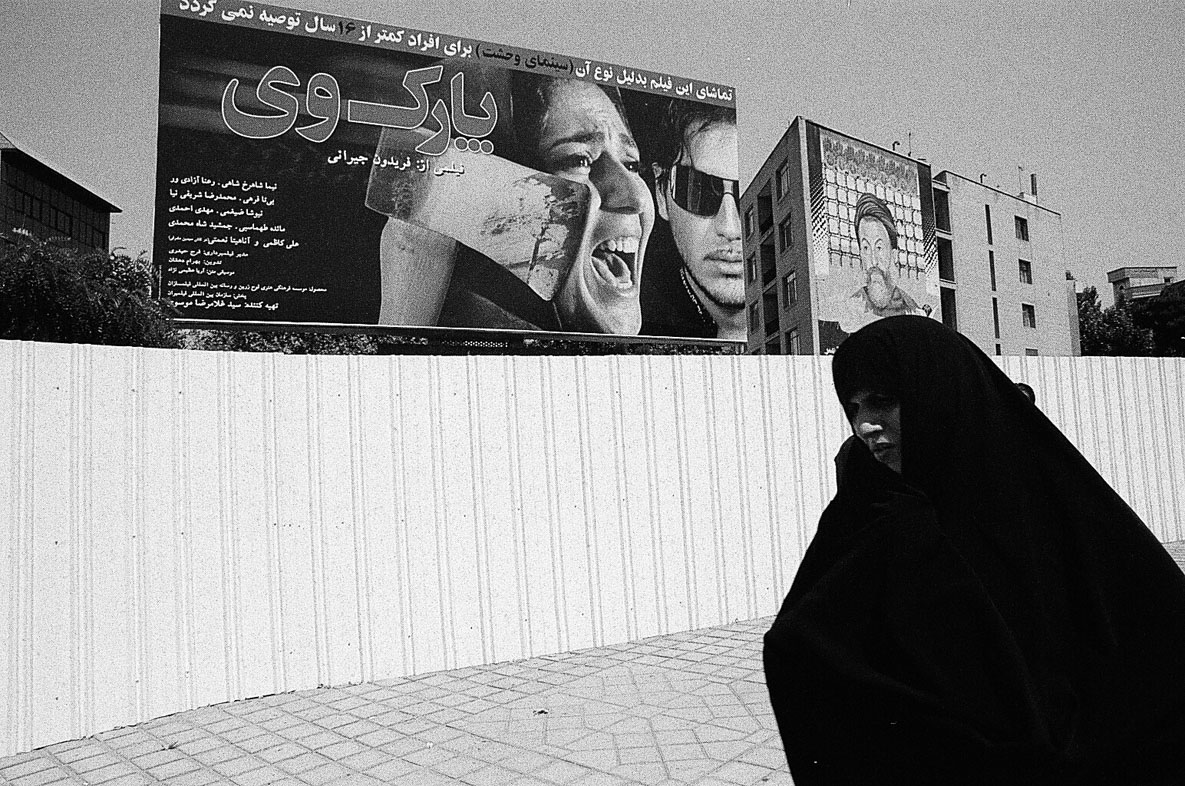
Urban Landscapes, 2007
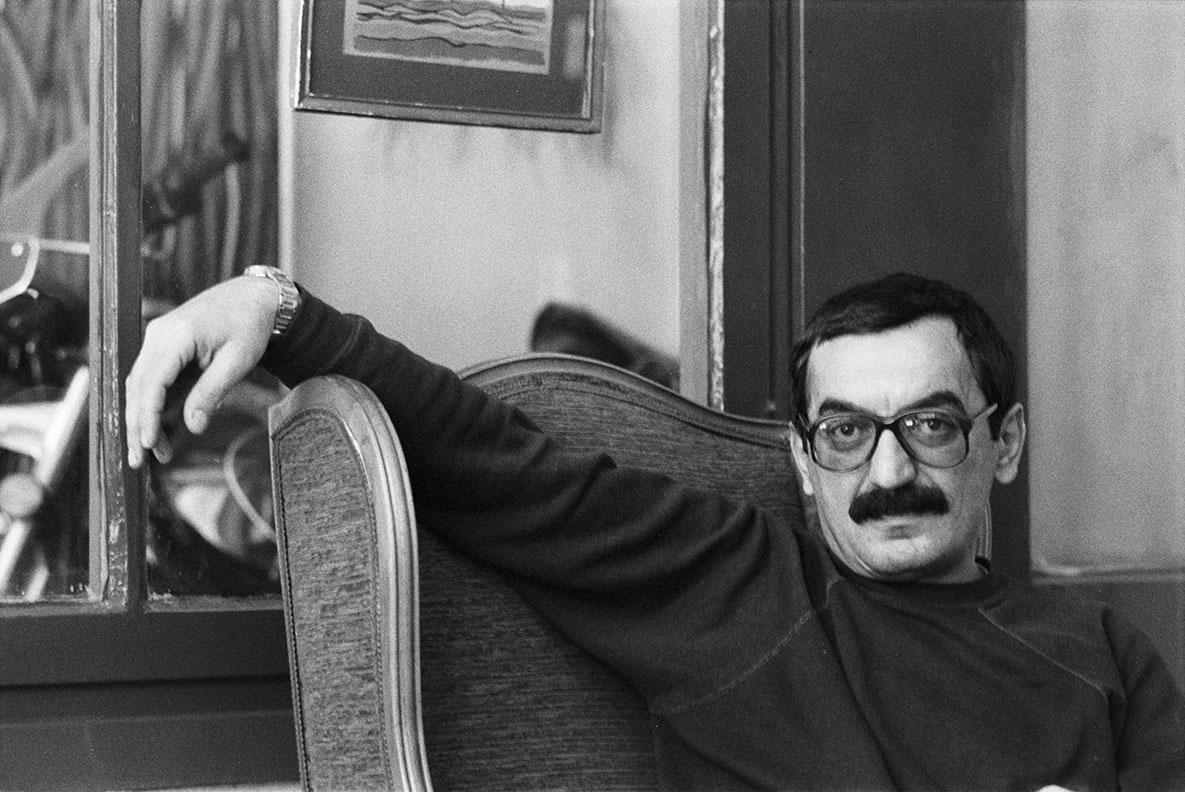
03 — Master of the Frame
Witness.
Artist.
Image-Maker.
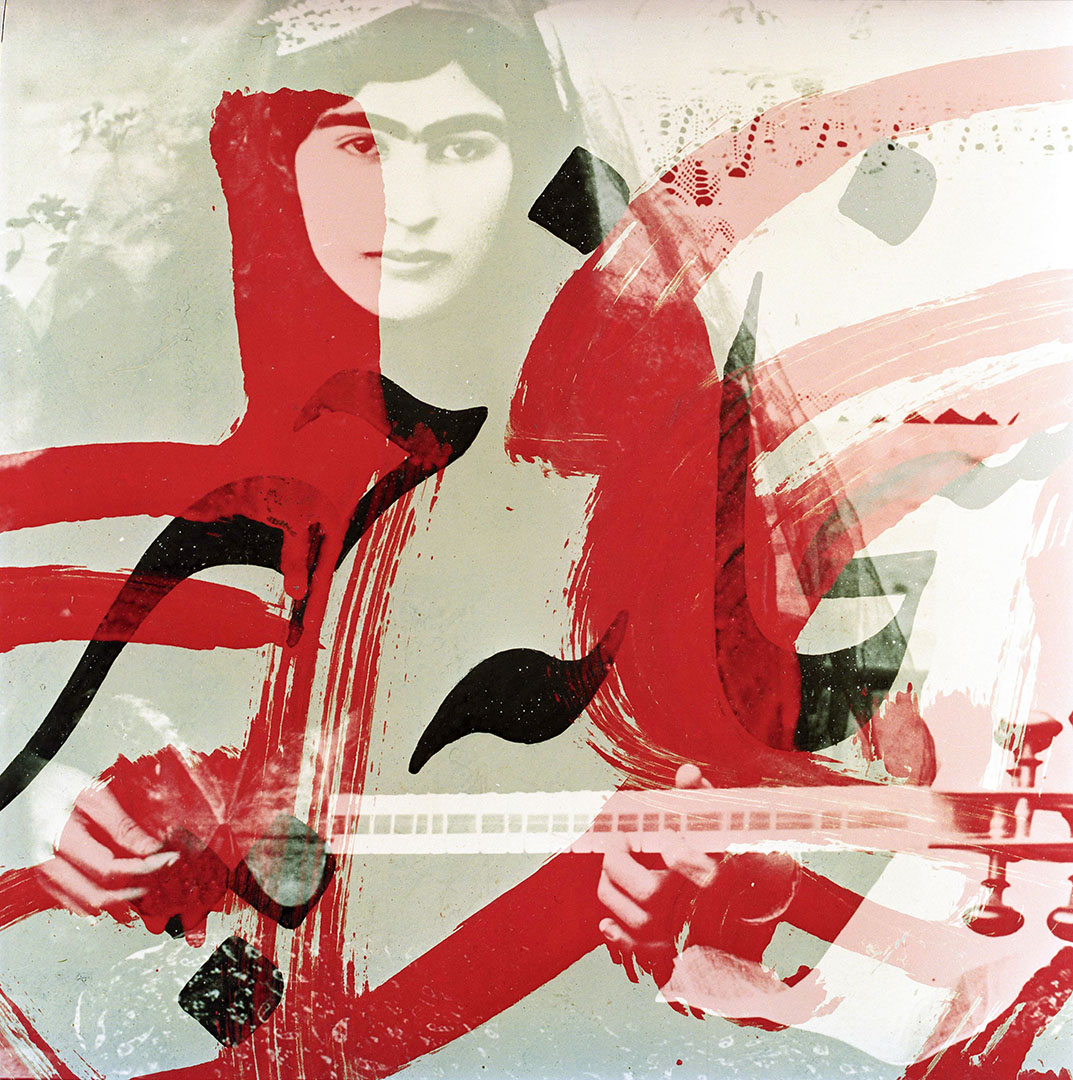
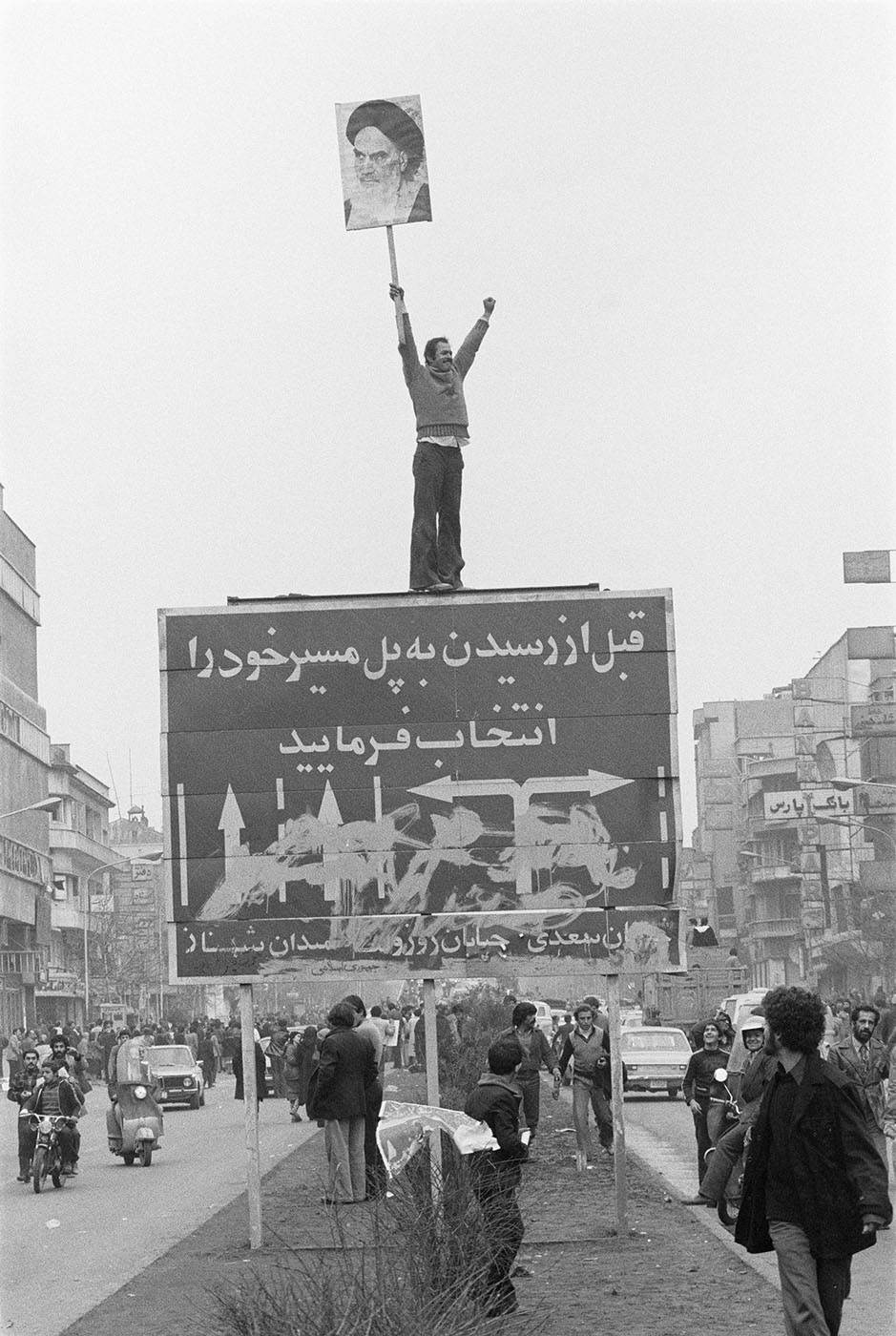
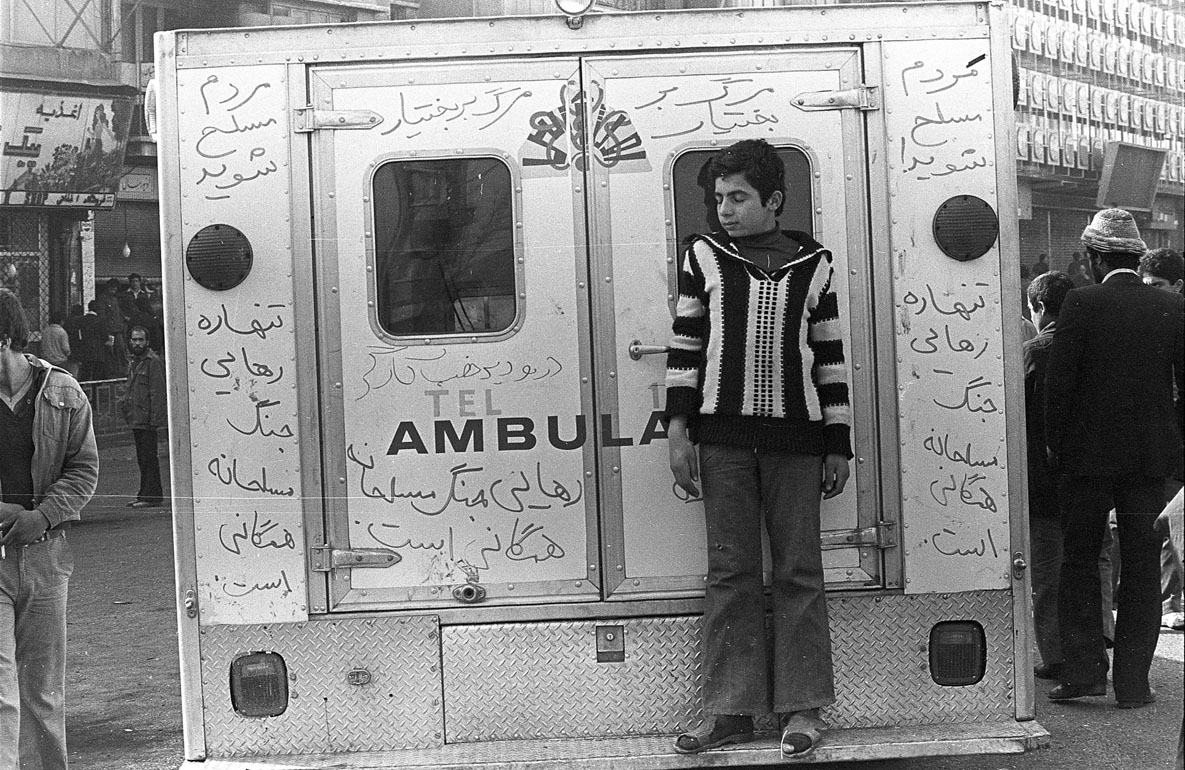
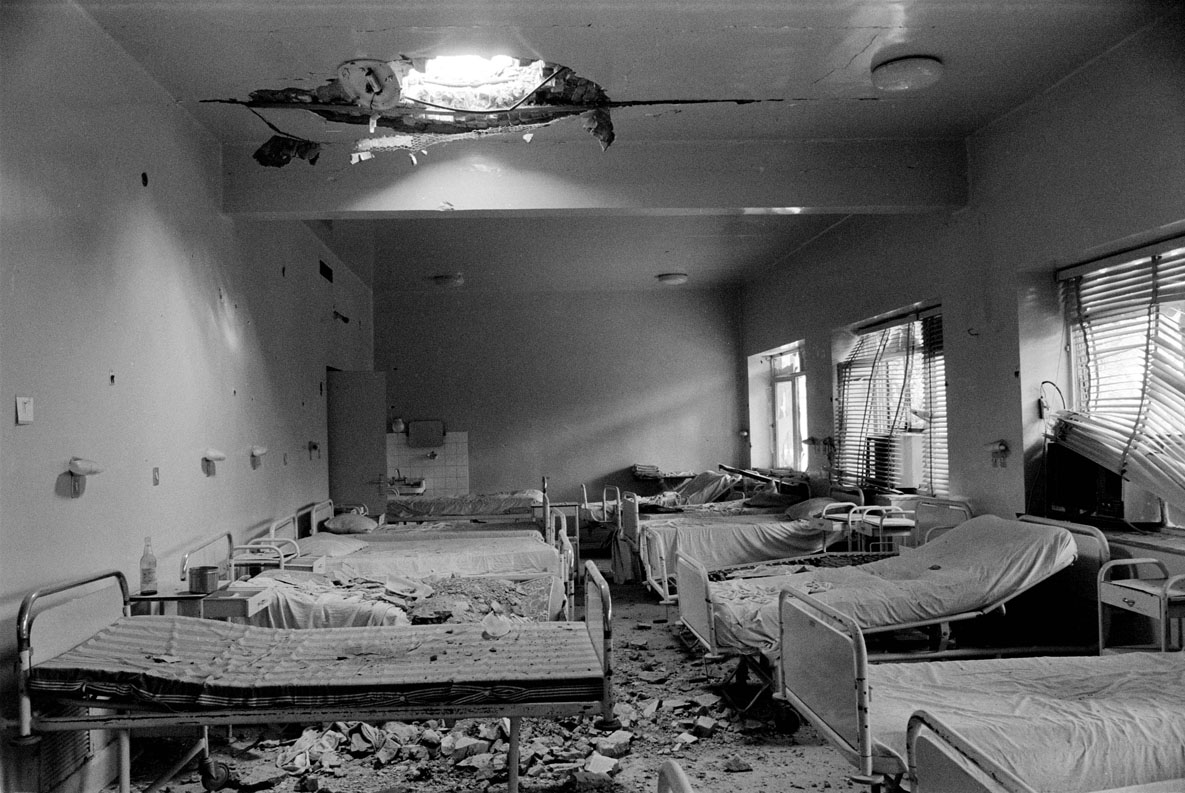
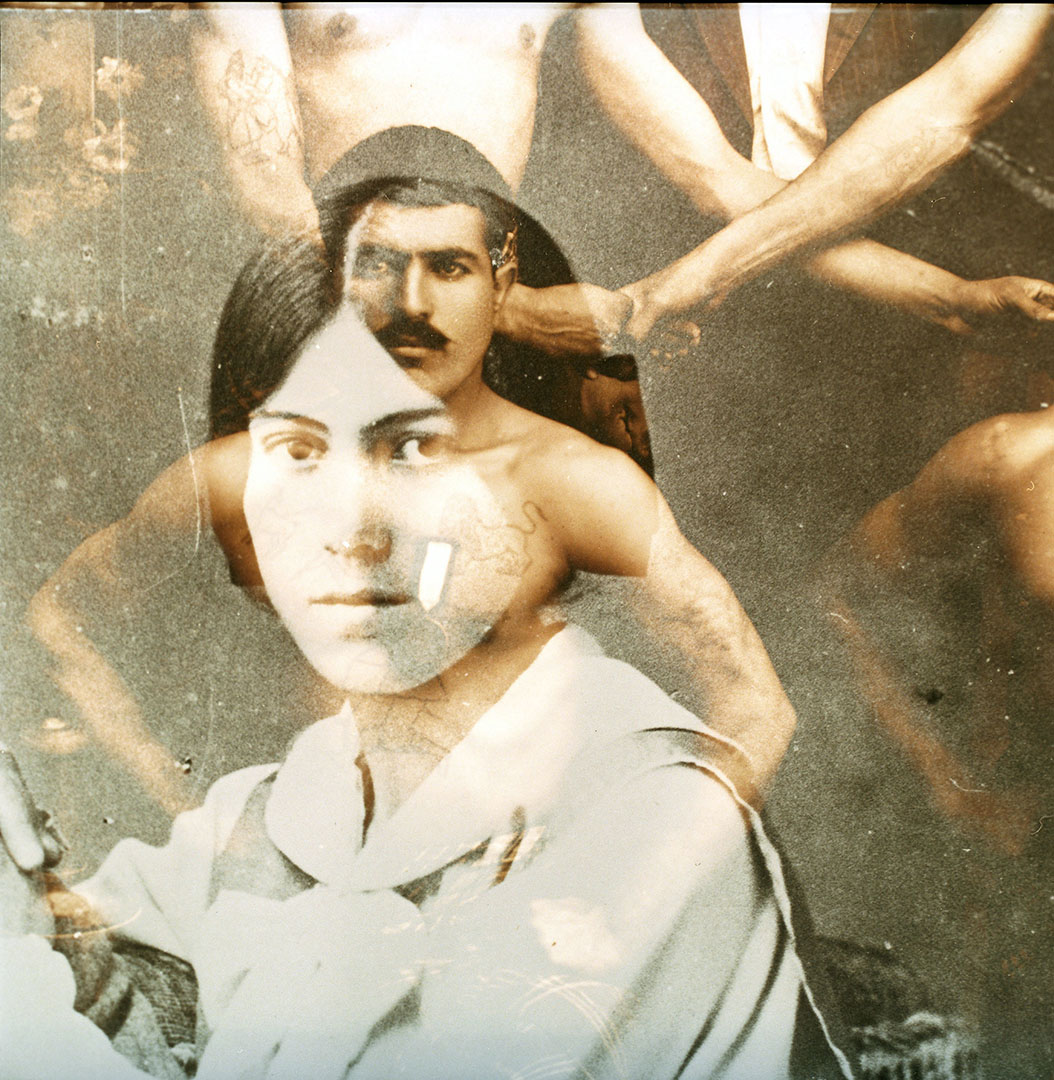
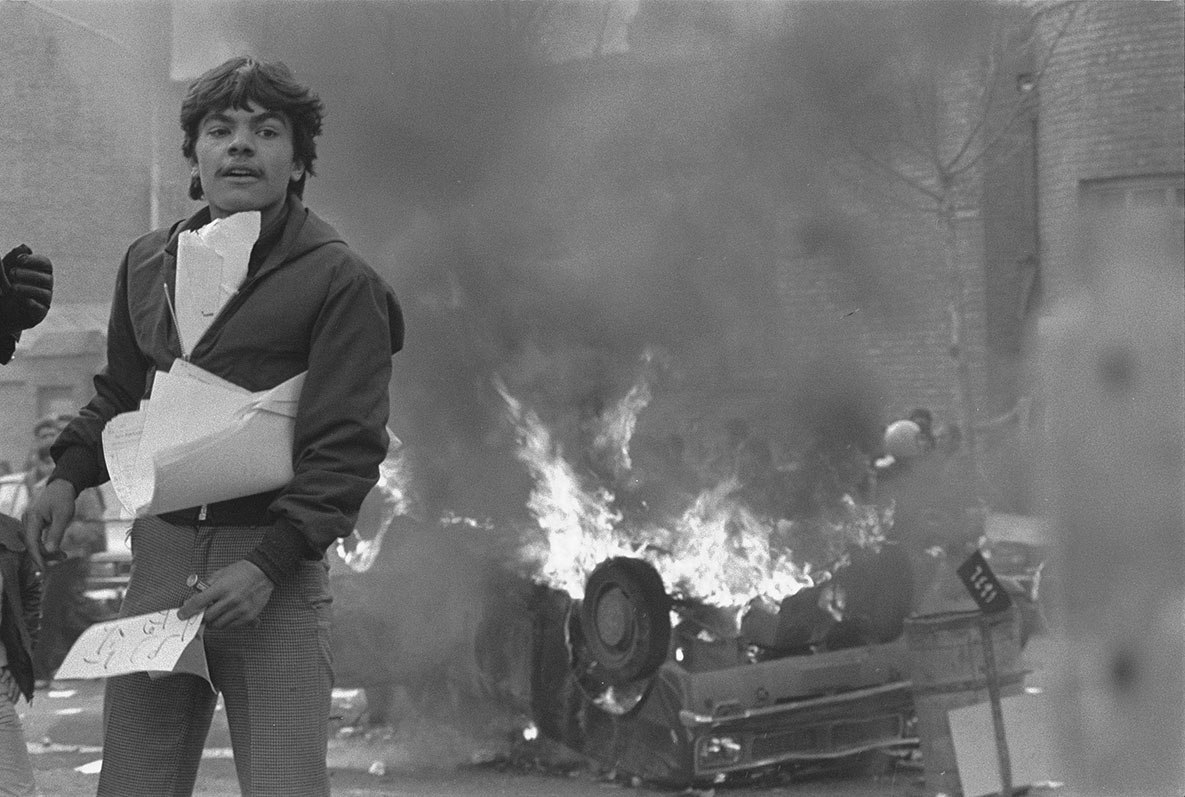
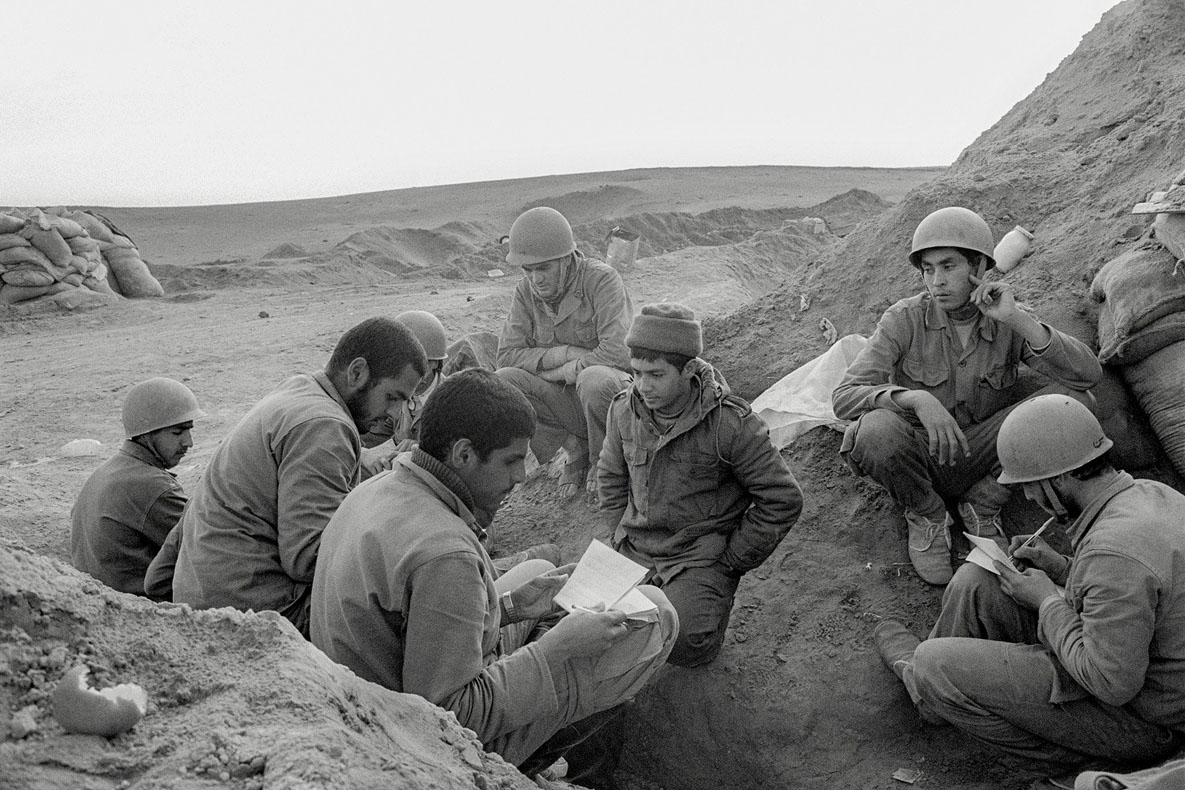
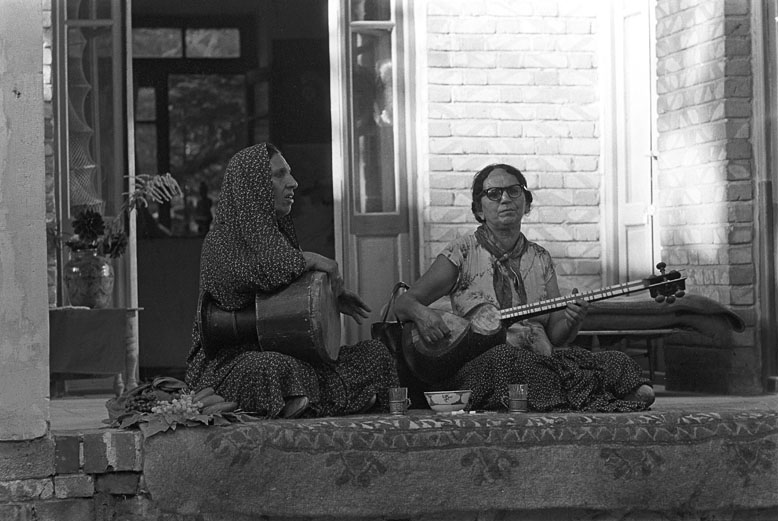
BahmanJalaliphotographedthe1979RevolutionandtheIran–IraqWar,thenturnedinward—layeringQajar-eraimageswithcalligraphy.HebeganbydocumentingIran'smostviolentrupturesandendedbyexcavatingitsdeepervisualmemory.
1945–2010
Tehran, Iran
1972
First frames, Tamasha magazine
6+
Pictorial books published
3 decades
Teaching a generation
The more precise word for what Jalali did, across every part of his life, is expand.
What could be seen
He chose war as a defining subject, going where few would ever go, so that those who never could would still know what it looked like on the ground. His photographs were, for many, the only portal into a reality otherwise out of reach.
What could be taught
A master who can only make great work leaves great photographs. A master who can teach mastery leaves other masters. Shadi Ghadirian and Mehdi Vosoughnia — among the most respected photographers in Iran today — both came up through Jalali's teaching. He left both.
What got credit
Nowhere is this more apparent — or more overdue for correction — than in his own household. A life spent widening what was visible, teachable, and rightfully credited, until the light finally falls closer to home.
05 — The Archive
More than either exhibition hall can hold.
One continuous arc: from witness, to artist, to image-maker.
Curated by Shahed Saffari, hosted at Argo. A companion publication carries full-length series and newly commissioned scholarly essays for each period.
Commissioned Documentary
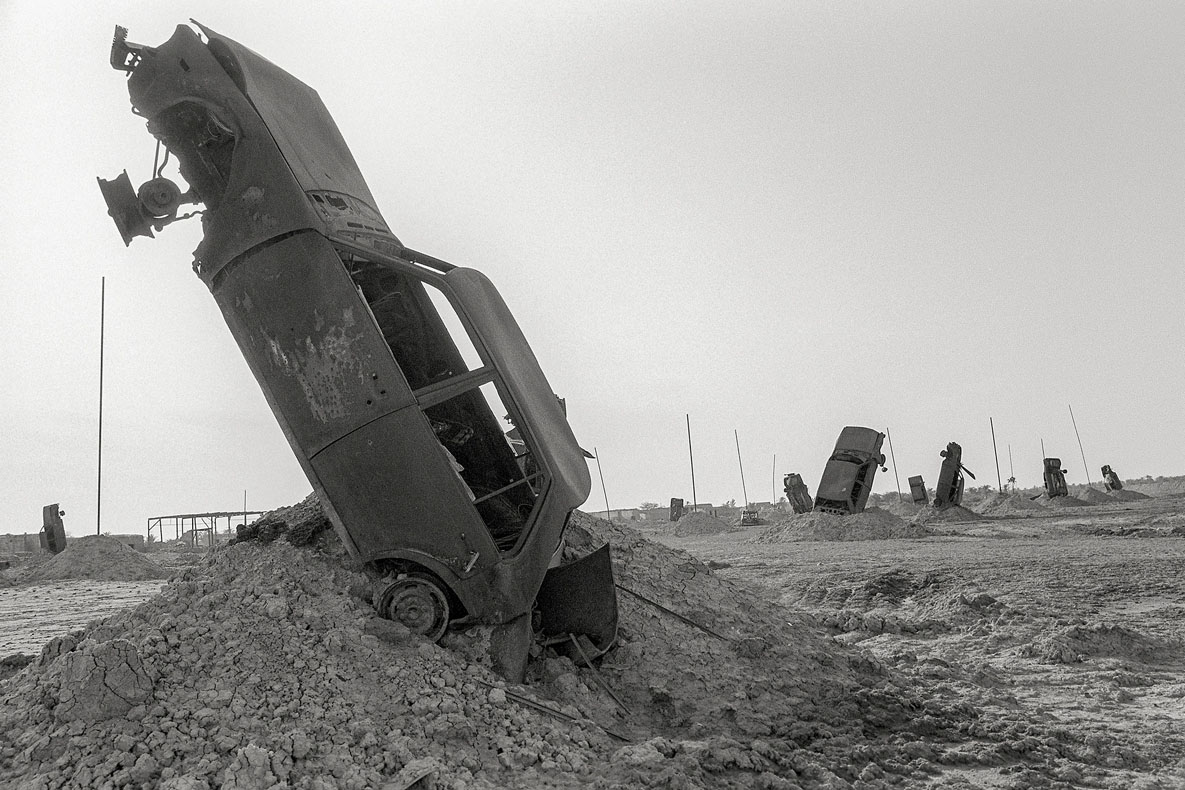
His coverage of the 1979 Revolution and the Iran–Iraq War, including the Khorramshahr series — photography made in the field, as history was happening.
Artistic Documentary
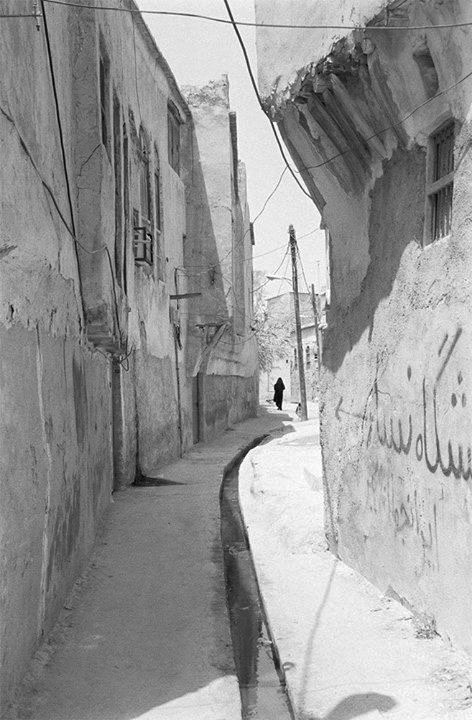
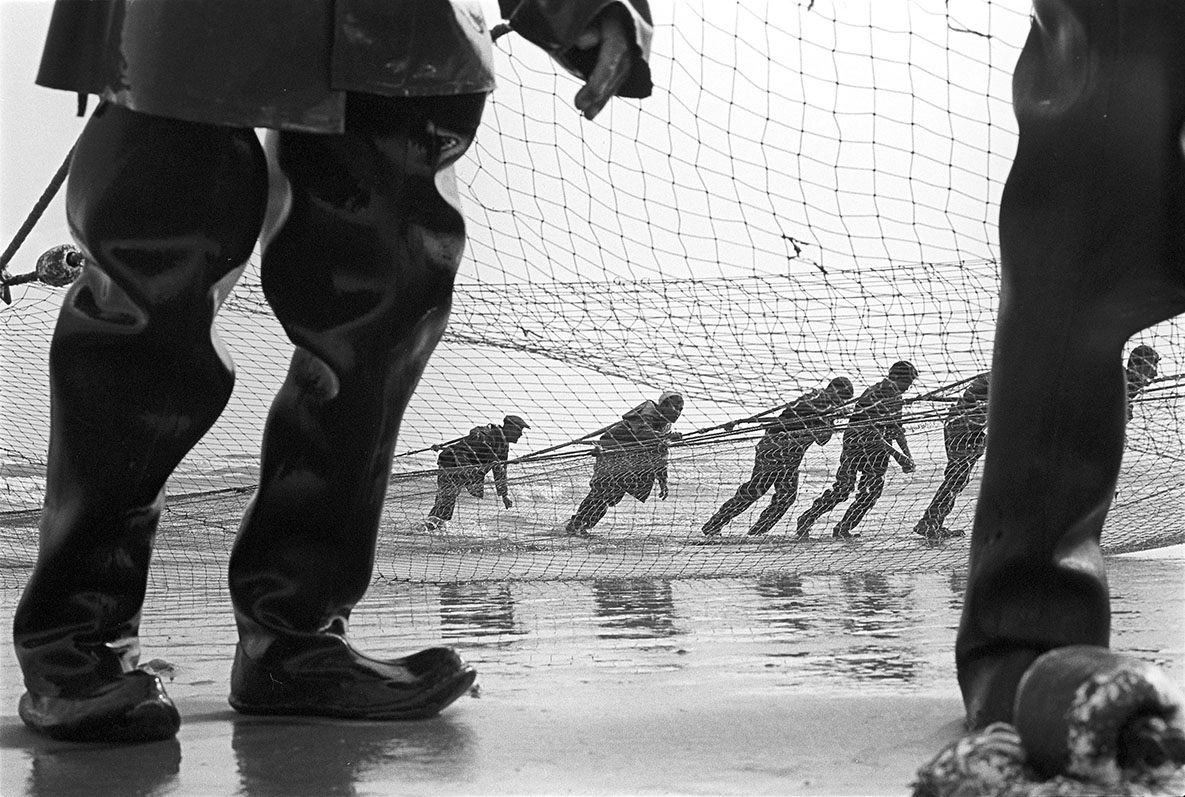
The point where observation becomes authored vision — Jalali photographing on his own terms, developing the eye that would shape a generation.
Photomontage
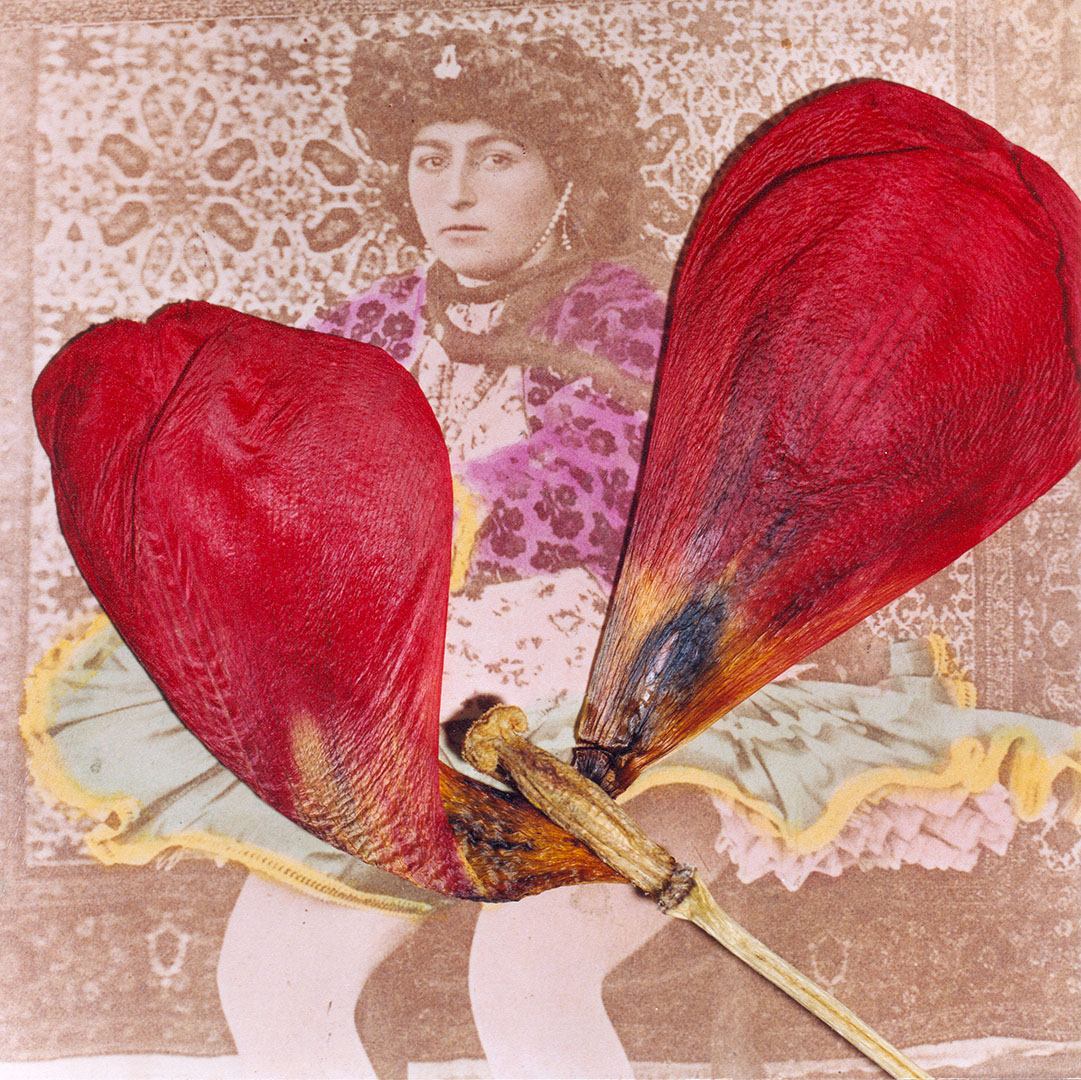
His later, conceptual work: layering Qajar-era photographs with calligraphy in Image of Imagination. Here he stops documenting history and starts reworking it.
The uncredited half of a partnership.
A working artist in her own right, standing beside a husband whose fame eventually eclipsed her almost entirely. This was never a matter of talent falling short — it was visibility. There are documented instances of her photographs being mistakenly attributed to him.
Giving Rana Javadi the recognition that has been quietly overdue is not a footnote to this retrospective. It is a continuation of the same act the entire project is built on — only this time, the light falls closer to home.
A previously unreleased film connected to Kaveh Golestan — something that has simply never been shown to the public before.
It is not a historical artifact being dusted off. It is proof that the project's whole premise — that there is still more worth bringing to light — is true right now. It screens alongside Unfinished Photo, the Simorgh Award–winning documentary on Jalali.
Panels & Talks
Moderated discussions running throughout the exhibition — his documentary work, his artistic photography, and his legacy through the people he trained. Not commentary alongside the show. Part of its purpose.
Signed Original Prints
A limited, higher-value offering drawn from Jalali's own printed and signed work — for serious collectors who understand exactly what they are holding.
Foundation Editions
Reproductions carrying the project's official stamp and authentication, offered at an accessible level, so a wider audience can take home a genuine piece of the archive.
After Tehran
Conceived to open in Iran first — that is where the gap is, and where the homecoming matters most. After its run, the project is expected to travel to Paris and London.
The moment a country looks back at one of its own — and decides, deliberately, to keep him.
This is an invitation to stand behind that return — not as a sponsor in the ordinary sense, but as a founding presence. Curatorial control stays entirely with the project team; that boundary is fixed. What a partner gains instead is a documented, permanent role in the moment Iranian photography looked back at its own foundation, and chose to protect it.